Editorial preview: this sample has not completed the production provenance and fact-check gates, so search engines are instructed not to index it.
Taiwan’s Two-Year Digital Nomad Visa Makes Long-Term Remote Work More Practical
Taiwan has extended its digital nomad program to a possible two-year stay. Here is what the reported eligibility rules mean and what remote workers should evaluate before applying.
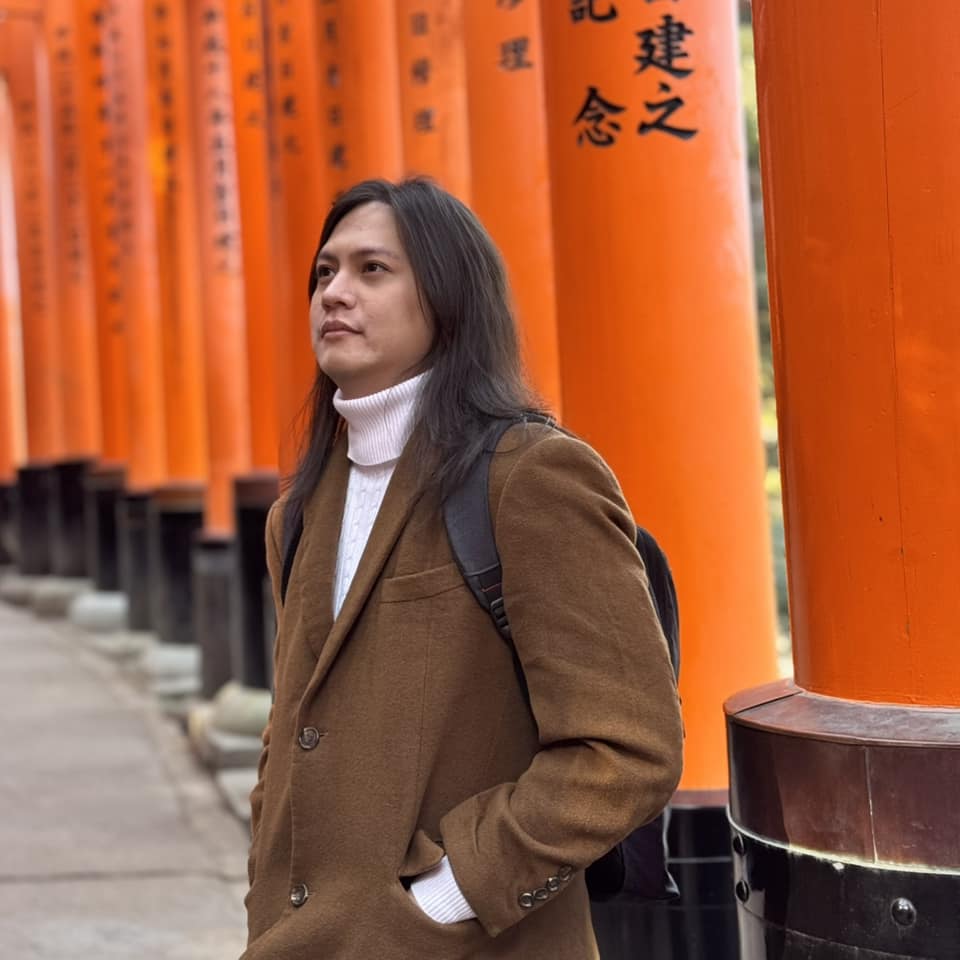
Taiwan has expanded its digital nomad visa program to allow eligible remote workers to remain for up to two years. The reported structure begins with a six-month stay that can be renewed in additional six-month periods.
The extension makes Taiwan more realistic for people who want to build a routine rather than pass through for a short working holiday. Taipei offers dense public transport and a large professional community, while other cities can provide lower costs, different climates, and easier access to nature.
Reported eligibility requirements
According to published guidance, applicants aged 20 to 29 need annual income of at least US$20,000, while applicants aged 30 and older need at least US$40,000. Applicants must also show an average bank balance of at least US$10,000 over the previous six months, evidence of remote work, and valid international health insurance.
Requirements can change, and immigration decisions depend on official documentation. Applicants should confirm the current rules with the responsible Taiwanese mission before paying for flights or long-term accommodation.
Plan beyond the visa
Permission to stay does not answer every practical question. A remote worker should investigate:
- Tax residency and reporting obligations.
- Employer permission to work from Taiwan.
- Health-insurance exclusions and emergency coverage.
- Banking, payment cards, and proof-of-address requirements.
- Time-zone overlap with clients or colleagues.
- Housing contracts and deposits.
Choose a city for the work you actually do
Taipei offers the largest network of coworking spaces, international companies, and transport connections. Taichung may appeal to people who want a slower pace with strong rail access. Kaohsiung offers a warmer climate and a growing creative scene. Smaller destinations can be rewarding, although English-language services and professional networks may be less concentrated.
Connectivity is generally strong, but the quality of a specific apartment still matters. Before signing a long lease, test the actual internet connection, noise level, desk setup, and mobile coverage.
A visa is infrastructure for a life
The strongest digital-nomad programs are not simply tourism promotions. They give workers enough legal certainty to rent a home, develop local relationships, and contribute to a place without pretending to be ordinary tourists.
Taiwan’s longer program is promising because two years is enough time to build continuity. The responsible approach is to arrive with realistic financial planning, respect local rules, learn how daily life works, and treat the destination as a community rather than a backdrop.
